Post-Workout Nutrition: What to Eat After a Workout
Relevant identified studies were screened for final inclusion, and studies were included if they focused on athletes, sportsmen, medicinal plants, natural products, physical performance, and physical activity. Online databases were used to retrieve data https://essex-tv.co.uk/fitness-and-wellness-in-london-incorporating-cannabis-into-your-routine/ from 2003 to the present day. It also seeks to provide valuable information and insights to simplify the nutritional strategies as well as principles with understanding the importance of natural products in an organic life, and focus on the appropriate way to use the natural advantages of plant-based nutrition. Implementing and designing appropriate dietary interventions is integral to the function of sports nutrition professionals.
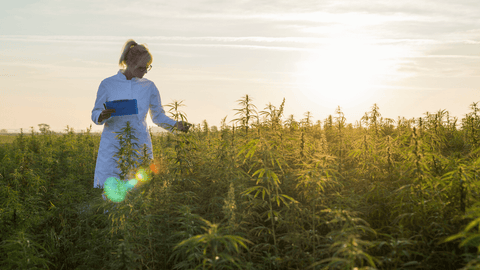
While popular opinion about the benefits of cannabis is on the up-and-up, sports science is working hard to catch up. In 2017, the Journal of Sports Medicine published a systematic review of a decade’s worth of cannabis-focused science to determine if the plant had any impact on strength or cardiovascular fitness. According to a literature review from 2017, “cannabidiol (CBD) may have therapeutic potential for the treatment of insomnia.” Unfortunately, this area is convoluted, and science doesn’t always support the popular use of the plant as a sleep aid.
Key limitations include inconsistent findings across small-sample studies (lack of standardized formulations for plant extracts), and limited data on long-term safety and individual variability. First, most studies focus on single phytochemicals or supplements, with limited data on how combinations , e.g., curcumin + green tea polyphenols, affect microbial community structure and function. These findings highlight how the gut microbiota mediates the immunometabolic benefits of plant supplements, linking microbial metabolism to tangible improvements in exercise performance and recovery. The intestinal microbiota—comprising trillions of bacteria, archaea, and fungi—exerts profound effects on host physiology, including immunometabolic regulation, nutrient absorption, and the biotransformation of bioactive compounds (28, 68). Explicitly note that RCTs provide the highest level of evidence for human efficacy, and specify key details , sample size, population, intervention duration, for transparency. The integration of plant extracts into recovery protocols presents a promising strategy for athletes and individuals engaged in regular physical activity, warranting further research to establish optimal dosages and formulations for practical application.
The pharmacopoeia of Dioscorides, De materia medica, describing some 600 medicinal plants, was written between 50 and 70 CE and remained in use in Europe and the Middle East until around 1600 CE; it was the precursor of all modern pharmacopoeias. About 7,000 species of plant have been used for food, though most of today’s food is derived from only 30 species. More broadly (agriculture includes agronomy for arable crops), horticulture for vegetables and fruit, and forestry, including both flowering plants and conifers, for timber.
Perceived fatigue can be effectively managed using compression techniques (such as compression garments), massage, or water immersion. The most powerful techniques for reducing inflammation were massage and cold exposure. The use, distribution or reproduction in other forums is permitted, provided the original author(s) and the copyright owner are credited and that the original publication in this journal is cited, in accordance with accepted academic practice. This article was submitted to Exercise Physiology — a section of the journal Frontiers in Physiology This review does not constitute endorsement by the authors and/or the institution concerning the nutrients reviewed. And R.B.K.; writing—final preparation for submission, D.A.B. All authors have read and agreed to the published version of the manuscript.

“Start off with 50% of your plate being vegetables and 25% being protein — either plant-based or a lean animal source — and then some healthy carbohydrates,” she said. One of the enduring myths surrounding plant-based diets is that they don’t provide sufficient protein. Now, research and anecdotal evidence is pointing to plant-based diets and their potential to enhance athletic ability and overall health. Genetic testing can reveal unique nutrient requirements — while metabolic profiling supports precise macronutrient adjustments. The field is advancing towards personalized nutrition — driven by genetic and metabolic profiling, which enables tailored nutrition plans based on individual needs and metabolism.
A narrative review examines how cocoa flavanols influence measures of exercise performance and muscle recovery.
A new ‘app switcher’ feature is being tested by us to assist our users in transitioning between our science applications. It is, in fact, almost impossible to go through a single day without utilizing numerous plant species. This article outlines the morphological, physiological, and ecological characteristics of plants.
One of the best known strategies is the intake of plant-derived products such as ginseng (Rojas-Valverde et al., 2020), green tea (Machado et al., 2018), cherries (Bell et al., 2014), curcumin (Fernández-Lázaro et al., 2020), spinach (Bohlooli et al., 2014), and beetroot (Rojas-Valverde et al., 2020). The review authors looked at data from 77 previous studies and found that adhering to a plant-based diet plays a key role in many aspects of training and performance, especially maintaining cardiovascular health. The author(s) declare that no financial support was received for the research (authorship), and/or publication of this article.
The limited number of athletes in current studies has led to subpar outcomes — emphasizing the necessity for larger and better-structured studies to yield more substantial and persuasive evidence supporting these results. For endurance athletes like cyclists and runners, the benefits of protein consumption surpass those for other athlete categories. This meta-analysis is the first to examine the influence of protein consumption (encompassing both protein diets and supplements), on athletes’ endurance capabilities, muscle strength, and physiological metrics. The aim of Parts 1 to 3 was to investigate how protein consumption affects various forms of athletic performance. In January 2024, two authors , S.Z. & Y.X., extracted 1,246 studies from five databases, including Web of Science, Ovid, Scopus, Pubmed, and Ebsco, into Endnote X9 for screening, with no additional studies sourced from elsewhere.
Non-starch slowly digestible carbohydrates — such as trehalulose—which have not received extensive research—should be given special consideration. Refueling with a combination of carbohydrates and proteins is an effective approach to restore glycogen levels while aiding in tissue repair. Cyclodextrins possess glycosidic bonds that can be hydrolyzed by salivary amylases; however (their action is slow due to thermodynamic factors), resulting in very low glycemic indexes and an extended period of glucose supply to the bloodstream 77,78.
You may also like...
POPULAR CATEGORIES
- ! Без рубрики 5
- 1 6
- 2 1
- 25 1
- 3 2
- 4 5
- 5 4
- a16z generative ai 1
- Affiliate 7
- aokalamakiou.gr 1
- archive 2
- article 20
- article14 2
- article17 4
- article18 1
- article19 2
- article21 1
- articles 8
- asino1 1
- aubergevalcarroll.com 1
- Beauty & Style (1,104)
- bebisrestaurant.gr 1
- beletbien.eu 1
- biobike.escasa-de-apuestas-que-mejor-paga 1
- biobike.escasas-de-apuestas-deposito-minimo 2
- bitzshop.se 1
- Blog 39
- blog08 1
- blog19 1
- blog2 1
- blog22 1
- blog23 1
- blog34 1
- blog6 2
- boucledelaseine.fr 1
- Bussiness 46
- cantinorestaurang.com 2
- Cardiologists 2
- Casino 132
- casino online 2
- casino-utan-licens2.org 2
- casino1 15
- casino2 40
- casino3 23
- casino4 25
- casinos 2
- casinoutansvensklicens.torshallakebab.se 1
- catalog 7
- ccskills.org.uk 1
- Channel News 2
- cirqosablon.fr 1
- coastal-saf.eu 1
- collectifrequisitions.fr 1
- dejespizzahouse.se 2
- Dental Care 202
- e 19
- farospiraeus.gr 3
- fiberibrunskog.se 1
- fightcampwarberg.se 2
- Forex News 4
- gambling platform 3
- Games 37
- GamStop_casinos 2
- genevbeauty.com 1
- Giochi 1
- hairmine.gr 2
- hanami.se 1
- hanami.sesv-se 1
- Health & Fitness 232
- Health Consultant 6
- ibbespartille.se 1
- icfuae.org.uk 1
- ikouzinamas.gr 2
- iletaitunenoce.fr 1
- it4000 2
- jeremiabageriet.se 1
- Jeux 1
- kamatero-arena.gr 3
- kiflice.se 2
- Logistics News 2
- lucky-twice 3
- magadomobilhome.com 1
- Marketing 2
- Marketing News 10
- matfordagen.nu 3
- media 13
- miteran.gr 4
- musicales-de-saint-martin.com 1
- nagelmode.se 1
- new non gamstop casinos 2
- news 34
- news18 3
- news26 1
- news28 2
- news4 2
- news7 1
- niudalia.es 3
- novos-casinos-2026 1
- Nutrition 14
- nysp 2
- Online Casino 7
- online-casino.preditoural.comcassino-online 1
- pack001 4
- pack002 3
- pack003 1
- pack004 6
- pack005 1
- pack006 3
- pack017 4
- pack018 1
- pack019 2
- pack033 3
- pack034 2
- pages 1
- pages10 4
- pages11 1
- pages32 2
- pages33 1
- Partnerzy 3
- pbn1_e3vkts6gegp 3
- pbn2_p9ugexr9wh9 6
- persianroyalgrill.se 1
- pin-up-online-cl.com 1
- Post 4
- psiart.gr 3
- public 98
- publication 21
- q 8
- r 17
- radabil.se 2
- ready_text 1
- restaurangtullen.com 2
- reviews 2
- roslagsjord.se 1
- ru6405_fen702190x4 2
- s 2
- services 9
- shinethresto.se 2
- Skin Care 17
- smallville-records.fr 1
- Spiele 8
- Spins 4
- stars80.fr 1
- stukystad.se 2
- tavernaokwstas.gr 1
- theazor.gr 3
- thegreenplanetexperience.co.uk 1
- totemcoffee.gr 3
- tr1005_tdo8kacxy8 2
- tribunasportsbar.pt 6
- tribunasportsbar.pt 2 1
- UK Casinos 1
- Uncategorized 2
- Utilities News 2
- villagrigio46.gr 1
- w 16
- wazamba-play.pl 1
- wheelrepair.se 2
- www.bristolprize.co.uk 2
- www.casino-utan-svensklicens.click 1
- www.casino-utan-svensklicens.clicksv-se 1
- www.childhope.org.uk 2
- www.figara.es 2
- www.foragers-association.org.uk 2
- www.houseohill.co.uk 2
- www.no-w-here.org.uk 2
- yogahub.se 1
- στοιχηματικες 1